Three Box Solution

Brilliant_options_regarding_spinkings-unitedkingdom_uk_deliver_comprehensive_hea

🔥 Play ▶️

Brilliant options regarding spinkings-unitedkingdom.uk deliver comprehensive healthcare solutions

Navigating the complexities of healthcare can be a daunting task, and individuals often seek comprehensive solutions tailored to their specific needs. The United Kingdom’s healthcare landscape, while renowned for its accessibility, can still present challenges in terms of finding the right services and understanding available options. This is where resources like spinkings-unitedkingdom.uk come into play, offering a potential gateway to a wider network of support and information. Understanding how such platforms function and the scope of services they provide is crucial for anyone looking to optimize their healthcare journey.

Modern healthcare is evolving at a rapid pace, with a growing emphasis on preventative care, personalized treatments, and technological advancements. Consequently, the demand for streamlined access to information and a range of healthcare providers is increasing. These digital platforms aim to bridge the gap between patients and practitioners, offering a convenient way to explore options, compare services, and ultimately, make informed decisions about their well-being. The availability of such resources signifies a shift towards a more patient-centric approach within the broader healthcare system.

Understanding Integrated Healthcare Pathways

The core principle behind integrated healthcare pathways is to provide a seamless and coordinated experience for patients. Traditionally, healthcare has been fragmented, with various specialists and departments operating in silos. This can lead to duplicated tests, conflicting advice, and ultimately, poorer patient outcomes. Integrated pathways aim to address these issues by fostering collaboration between different healthcare professionals and ensuring that patients receive a holistic and consistent level of care. This often involves the use of digital technologies to share information securely and efficiently, as well as the implementation of care coordination services. Effective integration requires a commitment from all stakeholders – hospitals, clinics, general practitioners, and social care providers – to work together towards a common goal: improving patient health.

The Role of Digital Platforms in Integration

Digital platforms, like the services potentially offered through spinkings-unitedkingdom.uk, play a crucial role in facilitating this integration. They can act as a central hub for patient information, allowing authorized healthcare professionals to access relevant medical history, test results, and treatment plans. This eliminates the need for patients to repeatedly provide the same information to different providers. Furthermore, these platforms can offer telehealth services, enabling remote consultations and monitoring, particularly beneficial for individuals in rural areas or with limited mobility. The potential to use data analytics to identify patterns and predict potential health risks is another significant advantage. By analyzing aggregated patient data (while maintaining privacy and confidentiality), healthcare providers can proactively intervene to prevent health problems from escalating.

Service Type
Benefits of Integration
Primary Care Improved continuity of care, early detection of health issues.
Specialist Care Reduced duplication of tests, more informed treatment decisions.
Mental Health Services Integrated approach to address both physical and mental well-being.
Social Care Coordinated support for individuals with complex needs.

Beyond the direct benefits to patients, integrated healthcare pathways can also lead to significant cost savings for the healthcare system as a whole. By reducing unnecessary hospital admissions, minimizing duplication of services, and promoting preventative care, resources can be allocated more efficiently. This is particularly important in the context of aging populations and increasing healthcare demands.

Personalized Healthcare and the Power of Data

One of the most exciting developments in modern healthcare is the move towards personalized medicine. This approach recognizes that each individual is unique, with their own genetic makeup, lifestyle, and environmental factors influencing their health. Personalized healthcare aims to tailor treatments to the specific needs of each patient, maximizing effectiveness and minimizing side effects. Data is at the heart of this revolution. By collecting and analyzing vast amounts of patient data – including genomic information, medical history, and lifestyle data – healthcare professionals can identify patterns and predict an individual’s risk of developing certain diseases. This allows for proactive interventions, such as targeted screenings and lifestyle modifications, to prevent or delay the onset of illness.

Utilizing Wearable Technology for Data Collection

Wearable technology, such as fitness trackers and smartwatches, is becoming increasingly sophisticated and is providing a wealth of real-time data about an individual’s health and activity levels. This data can be seamlessly integrated into electronic health records, providing healthcare professionals with a more complete picture of a patient’s health. For example, a wearable device can track a patient’s heart rate, sleep patterns, and physical activity levels. This information can be used to monitor the effectiveness of a treatment plan, identify potential problems early on, and encourage patients to adopt healthier lifestyles. The ethical considerations surrounding data privacy and security are paramount, and robust safeguards must be in place to protect patient information.

  • Data security protocols must be implemented to protect patient privacy.
  • Patients should have control over their data and be able to choose what information is shared.
  • Algorithms used to analyze data should be transparent and unbiased.
  • Data should be used to improve healthcare outcomes, not for discriminatory purposes.

The future of healthcare is undoubtedly data-driven. The ability to collect, analyze, and interpret vast amounts of patient data will empower healthcare professionals to deliver more personalized, effective, and efficient care. This will ultimately lead to healthier populations and a more sustainable healthcare system.

Navigating the UK Healthcare System

The National Health Service (NHS) is the publicly funded healthcare system in the United Kingdom, providing comprehensive healthcare services to all legal residents. While the NHS is a source of national pride, navigating its complexities can be challenging. Accessing specialist care often requires a referral from a general practitioner (GP), and waiting times for certain procedures can be lengthy. Private healthcare options are also available, offering quicker access to treatment but at a cost. The interplay between the NHS and the private sector is an ongoing debate, with proponents of each system highlighting their respective advantages and disadvantages. Understanding the different pathways available and knowing your rights as a patient is crucial for making informed decisions about your healthcare.

Understanding GP Access and Referrals

Your GP is typically the first point of contact for healthcare in the UK. They are responsible for diagnosing and treating a wide range of medical conditions, as well as providing preventative care and health advice. If your GP believes you require specialist care, they will issue a referral. The waiting time for specialist appointments can vary depending on the condition and the demand for services. You have the right to choose which hospital or specialist you are referred to, and you can discuss your options with your GP. It's also important to understand the role of NHS 111, a free telephone service that provides medical advice and directs patients to the most appropriate healthcare service.

  1. Contact your GP for initial assessment and diagnosis.
  2. If a referral is needed, discuss your options with your GP.
  3. Understand the estimated waiting times for specialist appointments.
  4. Utilize NHS 111 for urgent medical advice when your GP is closed.

The success of the NHS relies on a collaborative effort between healthcare professionals, patients, and the government. Continued investment in resources, technology, and workforce development is essential to ensure that the NHS remains a world-class healthcare system.

The Expanding Role of Telehealth

Telehealth, the delivery of healthcare services remotely using technology, has experienced significant growth in recent years, accelerated by the COVID-19 pandemic. It encompasses a wide range of applications, including virtual consultations, remote monitoring of vital signs, and online therapy. Telehealth offers numerous benefits, including increased access to care, particularly for individuals in remote areas or with mobility limitations. It can also reduce healthcare costs by eliminating the need for travel and reducing hospital admissions. The convenience of telehealth is also a major draw for patients, allowing them to receive care from the comfort of their own homes. However, challenges remain in terms of ensuring data security, maintaining patient privacy, and addressing the digital divide, which can limit access to telehealth for certain populations.

Future Trends in Healthcare and Digital Innovation

The healthcare landscape is poised for further transformation in the coming years, driven by rapid advancements in technology and a growing focus on preventative care. Artificial intelligence (AI) is expected to play an increasingly important role, assisting with tasks such as diagnosing diseases, developing new treatments, and personalizing care plans. The integration of virtual reality (VR) and augmented reality (AR) technologies is also showing promise, offering innovative ways to train healthcare professionals, rehabilitate patients, and provide pain management. Furthermore, the development of biosensors and implantable devices will enable continuous monitoring of health parameters, providing real-time insights into an individual's physiological state. Platforms such as spinkings-unitedkingdom.uk, if offering such services, may become central hubs for access to these advancements. The key to realizing the full potential of these technologies lies in addressing the ethical, regulatory, and logistical challenges that they present.

Looking ahead, it’s clear that the healthcare industry will become even more data-driven and patient-centric. The focus will shift from treating illness to preventing it, and from reacting to problems to proactively managing health. This transformation will require a collaborative effort between healthcare providers, technology companies, and policymakers, all working together to create a future where everyone has access to high-quality, affordable, and personalized healthcare. The successful implementation of these innovations will ultimately depend on fostering trust, ensuring data security, and prioritizing the needs of the patient.
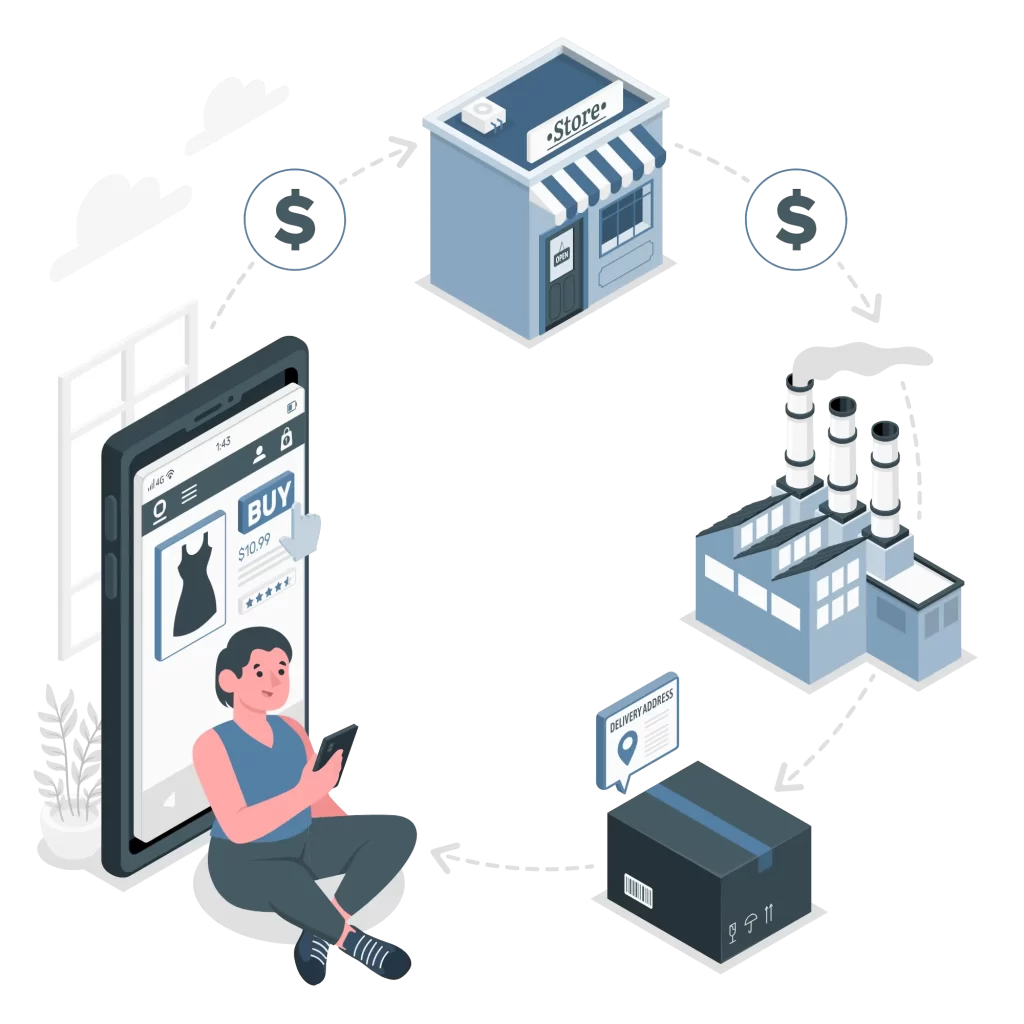

Build-Operate-Transfer (BOT) Model

Building and managing physical and virtual infrastructure for seamless operations. We create customized Global Capability Centers (GCC) and transfer ownership after the agreed period.

Infrastructure Development

Managing the foundational physical and virtual structures needed for efficient business operations.

System Integration

Combining different subsystems and components into a unified, functioning system to enhance operational efficiency.

Technology Implementation

Deploying and configuring technology solutions to meet organizational needs and improve performance.

Operational Management

Overseeing day-to-day operations to ensure that systems and processes run smoothly and efficiently.

Performance Monitoring

Tracking and analyzing system performance to identify areas for improvement and ensure optimal functionality.

Staff Training

Providing education and resources to employees to enhance their skills and knowledge for better job performance.

Knowledge Transfer

Disseminating critical information and expertise across the organization to maintain continuity and drive growth.

Support Services

Offering assistance and troubleshooting to ensure smooth and uninterrupted use of technology solutions.

Technology

Product Ideation – Conceptualization/MVC/MVP

This involves brainstorming and developing initial concepts, Minimum Viable Concept (MVC), and Minimum Viable Product (MVP) to test and validate new product ideas.

Customer Experience Design

Designing seamless and intuitive experiences for customers to enhance their satisfaction and loyalty.

Application Rationalization & Tech Modernization

Assessing and updating existing applications to ensure they are efficient, cost-effective, and utilize modern technologies.

Microservices Architecture & Integrations

Building applications as a suite of small, independent services that can be deployed and scaled individually, enabling better integrations and agility.

DevSecOps, SRE & Infra Management

Implementing a combined approach of development, security, and operations to ensure secure, reliable, and efficient infrastructure management.

Quality Assurance

Ensuring that products meet specified quality standards through systematic testing and review processes.

Sustenance Engineering

Maintaining and improving existing software applications to ensure their continued performance and relevance.

Cloud Engineering

Designing, deploying, and managing cloud-based solutions to leverage scalability, flexibility, and cost savings.

Mobility

Developing mobile applications and solutions that offer on-the-go accessibility and functionality.

Business Process Automation, Low Code Solutions

Automating business processes using low code platforms to increase efficiency and reduce manual effort.

Data Analytics And   Technology 

Data Engineering Services

Data engineering involves building and maintaining infrastructures like databases and large-scale data processing systems, ensuring data is accessible and reliable.

Business Intelligence Services

Business intelligence services provide tools and methodologies to analyze business data, helping organizations make informed decisions and gain competitive advantages.

ESG Analytics Solutions

Environmental, Social, and Governance (ESG) analytics solutions assess and report on a company’s performance in these areas, supporting sustainability and ethical practices.

Customer Analytics Solutions

Customer analytics solutions analyze customer data to understand behaviors, preferences, and trends, enhancing customer satisfaction and personalization.

Marketing Analytics Solutions

Marketing analytics solutions evaluate marketing efforts by analyzing data from campaigns, helping to optimize marketing strategies and improve ROI.

Operations Analytics Solutions

Operations analytics solutions focus on improving the efficiency and effectiveness of business operations through data analysis, enhancing productivity and reducing costs.

Predictive Analytics Solutions

Predictive analytics solutions use statistical models and machine learning techniques to forecast future trends and behaviors, aiding in proactive decision-making.

Text Analytics & NLP Solutions

Text analytics and Natural Language Processing (NLP) solutions process and analyze textual data, extracting meaningful insights for various applications like sentiment analysis and chatbots.

Data Lake Implementation Solutions

Data lake implementation solutions establish centralized repositories that store vast amounts of raw data in native formats, facilitating big data analytics.

Custom AI Chatbot Development Solutions

Custom AI chatbot development solutions create intelligent virtual assistants that can interact with users, providing support and enhancing customer experiences.

Sentiment Analysis

Sentiment analysis involves analyzing text to determine the sentiment behind it, such as positive, negative, or neutral, often used to gauge public opinion or customer feedback.

CFO Backoffice Services

Creating Chart of Accounts

Establishing a structured framework for all financial transactions of a business.

Posting Intercompany Transactions, Recording Income & Expenses

Recording financial activities between related companies and tracking all income and expenses.

Reconciliations Bank Accounts, Credit Cards, Customer Statements

Ensuring financial records match bank statements, credit card statements, and customer balances.

Calculating & Reporting Management Fees

Determining and documenting fees for managing funds or portfolios.

Closing the Books – Preparing Month-End & Year-End Statements

Finalizing accounts and preparing financial statements at the end of each period.

Assisting in Audit Queries

Providing support and documentation during financial audits.

MIS Reporting

Generating management information system reports for decision-making.

Sales/Purchase Order Processing

Handling the creation and tracking of sales and purchase orders.

Aging Report Preparation, Monthly AR/AP Ledger Processing

Compiling reports on outstanding receivables/payables and managing ledgers monthly.

Bank Wire Creation

Initiating and processing bank wire transfers.

Credit Card Expenses

Recording and managing expenses paid via credit cards.

Invoice Reconciliation with Customer Payments

Matching invoices with customer payments for accuracy.

Bad Debts/Delinquency Reporting

Reporting on uncollectible debts and overdue accounts.

Fund Administration Services

Fund Setup Services

Involves research, handling legal and corporate matters for establishing funds.

Booking Investment Transactions

Includes marking holdings to market, and managing accrued expenses, income, and corporate expenses.

Calculating Realized/Unrealized Gains/Losses

Recording the gains or losses from investments.

Calculating and Paying Dividends & Distributions

Preparing periodic reports for dividends and distributions.

Performing Reconciliations

Handling custody, cash, and bank reconciliations.

Calculating Carried Interest & Management Fees

Determining the fees and interest for fund management.

Generating NAV Packages

Creating Net Asset Value packages, waterfall calculations, and returns.

Preparing Statements

Drafting monthly, quarterly, and annual financial statements with footnotes.

Maintaining Investor Records

Keeping updated records of investors.

Issuing Notices

Sending call and distribution notices followed by bank reconciliations.

Distributing Capital Statements

Providing partner capital statements to relevant parties.

Distributing Investor Reports

Sharing investor reports via email or an online portal.

Handling Investor Queries

Responding to investors’ questions.

Investment Banking Services

1) Preparing Tailor-made Quality Pitchbooks

Creating customized documents that highlight a company’s financial status and business strategy to attract investors.

2) Preparing Tailor-made Quality Pitchbooks

Comprehensive analyses of specific sectors, covering trends, key players, and market dynamics.

3) Identifying Potential Targets

Researching and analyzing companies for potential acquisition or partnership opportunities.

4) Preparing Target Profiles

Developing detailed profiles of potential acquisition candidates, including financial and strategic information.

5) Identifying & Marketing to Relevant Intermediaries

Engaging key intermediaries to facilitate transactions and promote the client’s strategic objectives.

6) Summarizing Investment Memorandums

Condensing detailed investment information into clear, concise summaries for potential investors.

Content Management And Communication Services

1)  Developing Customised Content for Financial Services/Corporate Training Companies

Crafting specialized content tailored for financial service providers and corporate training organizations.

2) Creating Case Studies

Producing detailed analyses of specific events or projects to showcase achievements and methodologies.

3) Presentation & Graphics Services

Designing professional presentations and visual graphics to communicate ideas effectively.

4) Formulating Content Marketing Strategies

Developing plans to use content for driving brand awareness and customer engagement.

5) Creating Content Thought Pieces

Writing insightful articles that reflect expertise and thought leadership in a particular field.

6) Creating PPMs

Preparing Private Placement Memorandums to provide information to potential investors in private companies.

7) Managing Social Media & Email Campaigns

Overseeing the execution of social media and email outreach to engage audiences and promote services.

8) Creating Periodic Investor Communications

Developing regular updates and reports to keep investors informed about a company’s performance.

Graphic Design Expertise on Marketing Materials Applying advanced graphic design skills to create compelling marketing collateral.

Portfolio Management Services

1) Hiring Global Board Members

Recruiting executive-level professionals from around the world to join a company’s board of directors.

2) Maintaining Operating Models

Ensuring that financial models reflecting a company’s operations are up-to-date and accurate.

3) Periodic Portfolio Valuations (IRC 409A & ASC 820)

Regularly assessing the value of a company’s portfolio in accordance with specific valuation standards and regulations.

4) Trading & Transaction Comparable Analysis

Comparing similar companies’ trading metrics and recent transactions to evaluate a company’s market value.

5) Identifying Add-Ons & Potential Acquirers

Finding suitable companies for acquisition and identifying potential buyers for a company’s assets.

6) Preparing Board Materials & Market Insights

Creating reports and presentations for the board of directors that include market analysis and strategic insights.

7) Creating & Tracking Key Business Drivers

Developing and monitoring metrics that significantly impact a company’s performance.

8) Hypothesis Testing

Conducting experiments to validate assumptions and determine the effects of different variables on outcomes.

9) List Generation, CRM Cleansing & Management, Competitive Intelligence, and Social Media Management

Generating targeted contact lists, maintaining and optimizing customer relationship management systems, gathering competitor information, and managing social media presence.

Investment Banking Services

1) Preparing Tailor-made Quality Pitchbooks

Creating customized documents that highlight a company’s financial status and business strategy to attract investors.

2) Preparing Tailor-made Quality Pitchbooks

Comprehensive analyses of specific sectors, covering trends, key players, and market dynamics.

3) Identifying Potential Targets

Researching and analyzing companies for potential acquisition or partnership opportunities.

4) Preparing Target Profiles

Developing detailed profiles of potential acquisition candidates, including financial and strategic information.

5) Identifying & Marketing to Relevant Intermediaries

Engaging key intermediaries to facilitate transactions and promote the client’s strategic objectives.

6) Summarizing Investment Memorandums

Condensing detailed investment information into clear, concise summaries for potential investors.